
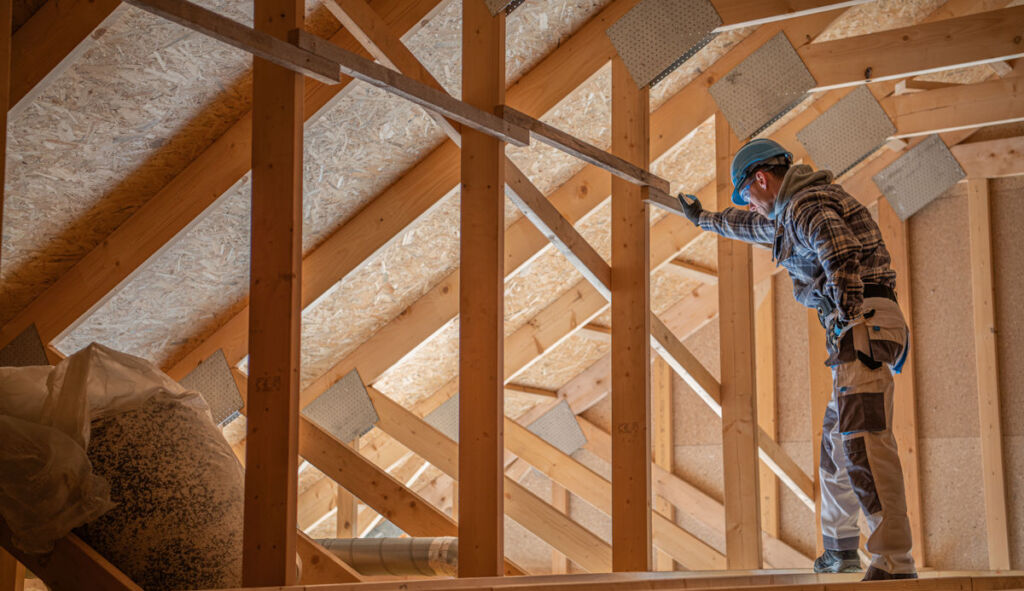
What is R-Value?
If you’ve been considering a new roof for your home or commercial building, you might’ve come across the term “R-value”. This term is used to describe a building’s ability to resist heat flow – in other words, the R-value represents the level of thermal resistance.
The thermal resistance of a building can be measured throughout a structure. Along with the roof’s R-value, there will also be an R-value measurement for exterior walls, attics, floors, foundations, windows and doors.
Generally speaking, a higher R-value equals better insulation and less heat transfer, which generates higher levels of efficiency, comfort and durability. More on that below.
This article details why R-value is so important, along with recommended minimum R-values according to the Building Code.
Why R-Value is Important

The R-value measures how well the building is insulated and how effectively it resists heat flow. As such, a higher R-value is always better. Here’s why a high R-value is so important:
Energy Efficiency
Stronger thermal resistance means warm and cool air is restricted from travelling between the interior of the building and outside. As a result, a building with higher R-values will be more energy efficient. With warm air trapped inside during the colder months, less energy will be required to heat the home. Same deal in the summertime – cool air will be trapped inside with warm air unable to travel inside as easily.
Air Quality
Buildings with higher R-values have better thermal resistance because air isn’t able to travel freely inside from the outdoors. If the R-value is high, that means insulation and sealing is preventing airborne toxins like dust and other pollutants from entering the home. Simply put, you’ll breathe better inside a building with higher R-values.
Noise Reduction
For the same reason higher thermal resistance and R-values prevent airborne toxins from entering the building, they also keep out noise. Something loud going on outside will be dampened by a home with great insulation and higher R-values throughout the home.
Indoor Comfort
In a home with poor thermal resistance, you’ll notice some rooms are warmer or cooler than others. Drafts of air will change the temperature indoors. But a building with higher thermal resistance and R-values will lock in the indoor temperature for consistent comfort throughout.
Carbon Footprint
With better insulation and less heat loss, buildings with higher R-values will require less energy to stabilize indoor temperatures. Therefore, the building will reduce its energy consumption, emit less emissions, and shrink it’s carbon footprint.
Minimum R-Value Requirements

The recommendations and requirements for R-value are consistent across the country, determined by the National Building Code. For new homes, the recommended minimum R-values are as follows:
- Attic (roof): R-50
- Flat roofs: R-30
- Exterior walls: R-22 to R-24
- Floors: R-20 to R-40
- Single-pane windows: R-1 to R-2
- Double-pane windows: R-2 to R-4
The National Building Code has these minimum R-value requirements in place, but there are a couple of factors that influence recommended thermal resistance levels:
- Climate. We’re lucky to have a mild climate here on the West Coast, but in colder parts of the country, more insulation and therefore higher R-values are needed to prevent heat loss.
- Energy Efficiency Standards. Certain energy-efficiency programs have their own standards that could impact required R-value, including:
- R-2000. There are no specified R-values for this program. The home is instead evaluated on total energy efficiency levels throughout. If it’s designed to used about 50% less energy than a typical new home with similar characteristics and climate, it passes.
- Energy Star for New Homes. Again, there are no specified R-values to be met. Instead the home must be around 20% more efficient than a standard new home built to the building code.
- BC Building Code. As of May 2023, new buildings in BC must be at least 20% more efficient that the base BC Building Code, in which case the minimum R-value requirements won’t always be good enough.
- Canada Greener Homes Initiative. This national program awards money for home upgrades. To be eligible for insulation upgrades, the attic must have thermal resistance of R-50 while flat roofs and cathedral ceilings must have R-28.
Consult with Your Builder
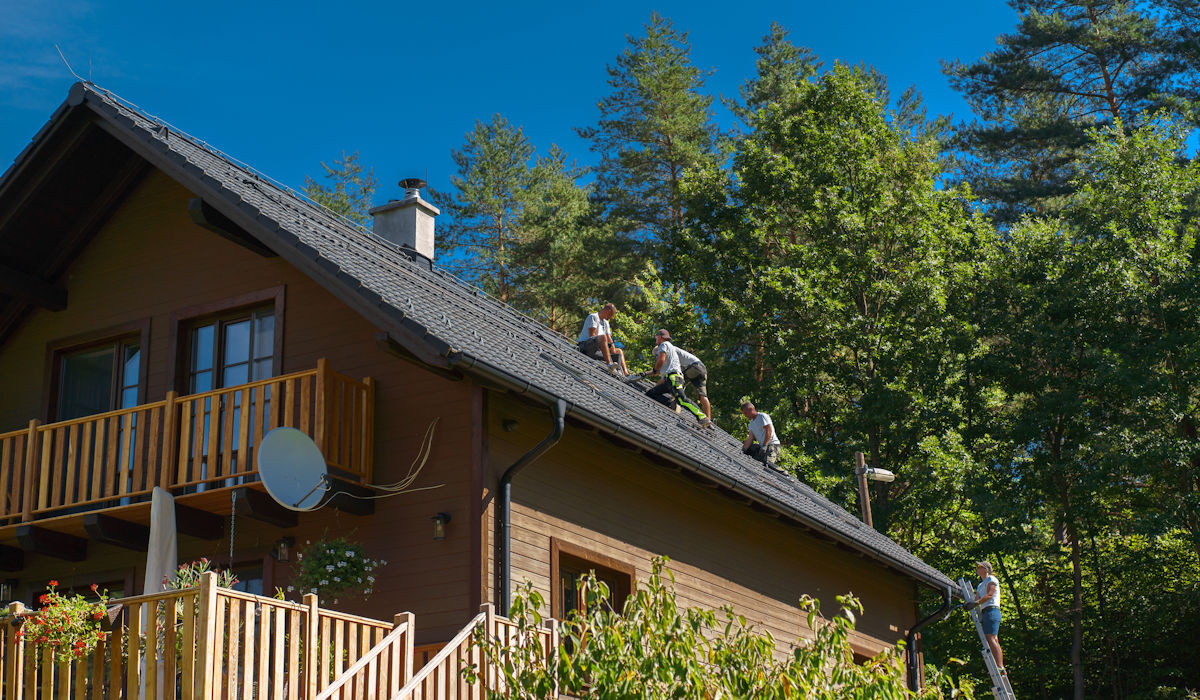
Managing the R-values of your home is tricky business best left up to the professionals. Be sure to consult with them early on in the home building process, and if you’re upgrading your roof, talk with your roofer about maximizing the R-value of the roof and making any recommended upgrades to your insulation.
At Lifecycle Roofing, we’re dedicated to helping building owners and property managers preserve the life of their roofs and buildings. And with over 100 years of combined experience, it’s something we take seriously. Contact us today for a quote and to discuss maximizing the R-values in your home.